In a world where buildings don’t just stand still but rather sway like they’re at a dance party, infrastructure monitoring has become the unsung hero. Imagine a superhero with a hard hat, cape, and a penchant for data—this is what keeps our bridges from turning into modern art sculptures. With technology advancing faster than a toddler on a sugar rush, the need for effective monitoring has never been more critical.
Gone are the days of waiting for something to crumble before taking action. Today’s infrastructure monitoring solutions offer real-time insights that can save time, money, and maybe even a few headaches. So buckle up and get ready to dive into the fascinating world of infrastructure monitoring, where safety meets innovation, and every beep and boop could mean the difference between a safe commute and a surprise detour.
Overview of Infrastructure Monitoring
Infrastructure monitoring plays a vital role in the safety and stability of essential structures such as buildings and bridges. Advanced technology enhances monitoring solutions, providing real-time insights that help identify potential failures early. Various sensors and data analysis methods track structural health, environmental conditions, and usage patterns.
Monitoring systems utilize multiple types of data, including stress measurements, temperature variations, and vibration levels. Continuous collection and assessment of this data lead to improved understanding of the infrastructure’s performance over time. Smart sensors and IoT devices have become integral to modern monitoring solutions.
Many organizations rely on these systems to maintain safety and efficiency in infrastructure. Predictive maintenance can reduce repair costs and extend the lifespan of critical assets. Implementing such systems not only prevents unexpected disasters but also ensures regulatory compliance and enhances public safety.
Real-time analytics and alerts allow for immediate responses to anomalies. Early detection of issues can prevent more significant problems from arising. With proper infrastructure monitoring in place, stakeholders gain confidence that their investments are protected against potential risks.
Overall, the shift toward sophisticated monitoring techniques demonstrates a commitment to safeguarding public welfare and preserving structural integrity. These advancements represent a proactive approach to managing infrastructure, ensuring that it meets the demands of today and the future.
Importance of Infrastructure Monitoring
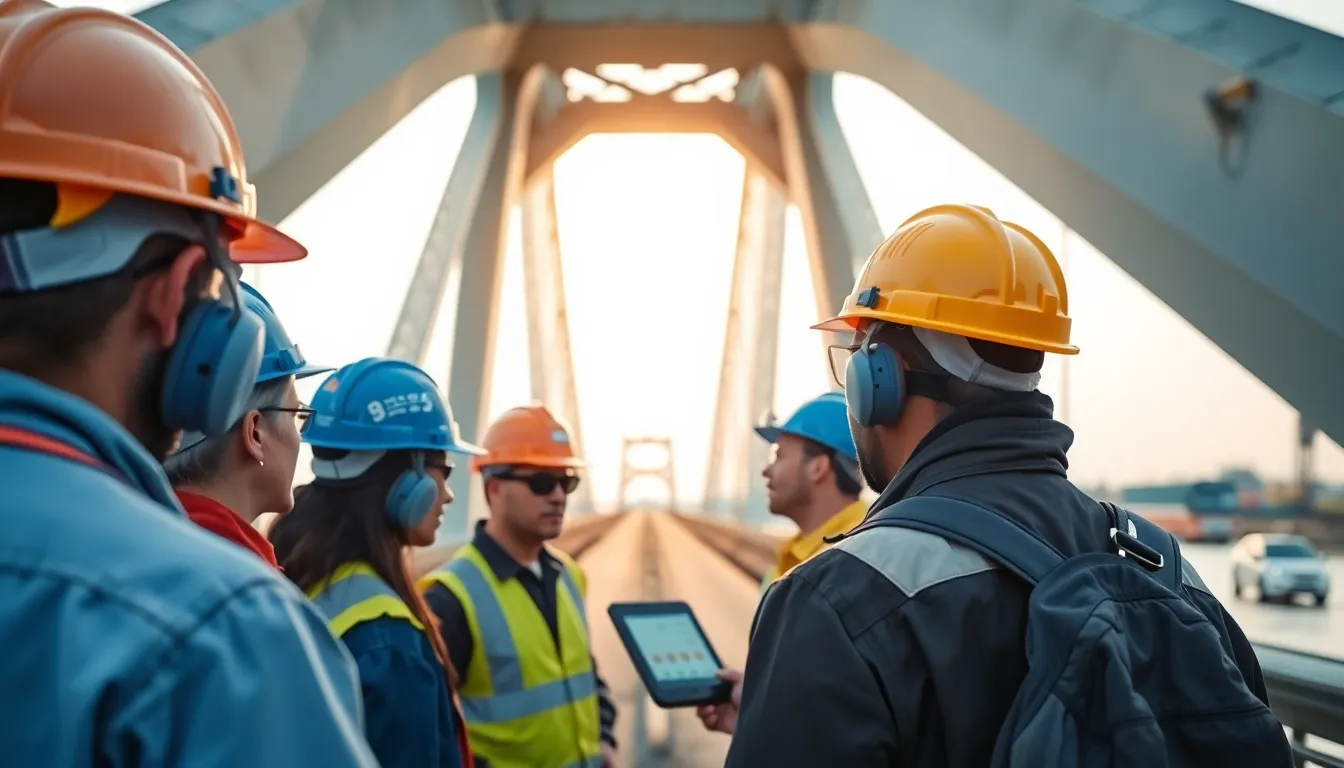
Infrastructure monitoring plays a crucial role in maintaining the safety and effectiveness of structures like buildings and bridges. Through continuous oversight, these systems can identify issues before they escalate.
Enhancing Safety and Reliability
Monitoring systems provide real-time insights that enhance overall safety. Sensors track various metrics such as stress levels and temperature fluctuations. Early detection of potential failures enables timely interventions. Organizations use this data to ensure structural integrity, directly preventing accidents. Analysis of environmental conditions leads to informed decisions that bolster reliability. Public confidence increases when structures are continuously monitored.
Cost-Effectiveness and Efficiency
Investing in infrastructure monitoring proves cost-effective in the long run. Predictive maintenance extends the lifespan of critical assets and substantially reduces repair costs. Real-time alerts allow for quick responses, mitigating the risk of costly downtime. Efficient tracking of usage patterns contributes to optimized resource allocation. This proactive approach not only supports budget management but also adheres to regulatory compliance. Emphasizing efficiency, organizations can optimize both operation and maintenance processes effectively.
Technologies Used in Infrastructure Monitoring
Infrastructure monitoring relies on advanced technologies to ensure safety and efficiency. These innovations enhance the detection of structural issues in real time.
Sensor Technologies
Sensors play a crucial role in monitoring infrastructure. They detect various factors such as stress, temperature, and vibrations. Common types include strain gauges, accelerometers, and thermal sensors. Strain gauges measure deformation under load, while accelerometers track motion and vibrations. Thermal sensors provide temperature data critical for maintaining structural integrity. By utilizing a network of these sensors, organizations gather comprehensive data that informs maintenance decisions and ensures timely interventions.
Data Analytics and IoT
Data analytics and the Internet of Things (IoT) significantly enhance infrastructure monitoring. These technologies transform raw data into actionable insights through advanced algorithms. IoT devices facilitate real-time data collection from multiple sources, improving responsiveness to anomalies. Predictive analytics uses historical data to forecast potential failures, allowing for preventive measures. By integrating these tools, organizations can optimize maintenance schedules and minimize downtime, ultimately preserving the longevity of critical infrastructure assets.
Challenges in Infrastructure Monitoring
Infrastructure monitoring faces several challenges that can impede its effectiveness. Organizations must navigate issues ranging from data security to integration hurdles.
Data Security Concerns
Data security concerns pose significant risks to infrastructure monitoring systems. Unauthorized access to sensitive information can compromise structural health data. Cyber-attacks may exploit vulnerabilities in monitoring technologies, leading to false alerts or data manipulation. Encrypting communication channels and implementing strict access controls helps mitigate these risks. Regular security audits enhance overall protection, ensuring that neither the infrastructure nor the data is vulnerable to breaches. Organizations benefit from continuous vigilance and effective cybersecurity measures that safeguard operational integrity.
Integration with Existing Systems
Integration with existing systems often presents challenges for infrastructure monitoring solutions. Legacy systems may lack compatibility with modern monitoring technologies, complicating data aggregation. Adapting infrastructure monitoring tools requires careful planning to avoid disruptions. Interfacing new sensors with existing software demands thorough testing and validation. Improved interoperability between systems enhances the efficiency of data utilization. Investing in scalable solutions ensures organizations can seamlessly incorporate monitoring systems, thereby improving overall functionality and workflow.
Future Trends in Infrastructure Monitoring
Automation is driving significant advancements in infrastructure monitoring. The integration of artificial intelligence enhances predictive analytics, providing organizations with insights that extend beyond real-time data. Machine learning algorithms analyze historical data trends and identify patterns, thus improving accuracy in predicting potential structural failures.
Cloud computing continues to facilitate infrastructure monitoring. By enabling remote access to data, it supports collaboration among teams and streamlines decision-making processes. Organizations can respond faster to issues, reducing response times and overall costs.
Wireless sensor technology is gaining traction as well. These sensors offer flexibility and ease of installation, minimizing disruptions to existing structures. They provide critical data without the need for extensive wiring, ensuring ongoing monitoring even in hard-to-reach areas.
The Internet of Things (IoT) is becoming integral. Smart devices not only collect data but also communicate findings in real time. These devices connect with other systems, creating a comprehensive ecosystem that enhances data sharing and decision-making.
Data security remains a persistent concern. Organizations prioritize robust encryption methods and secure access controls to protect sensitive information. Continuous advancements in cybersecurity are crucial to ensure the integrity of monitoring systems and the safety of infrastructure.
Lastly, investments in training and skill development are essential. As technology evolves, professionals must adapt to new tools and methodologies. Ongoing education helps maintain a skilled workforce capable of leveraging modern infrastructure monitoring solutions effectively.
Investing in infrastructure monitoring is essential for maintaining safety and reliability in modern structures. With advanced technologies at their disposal organizations can proactively manage assets while minimizing risks and costs. The integration of real-time analytics and IoT solutions ensures that potential issues are identified before they escalate.
As the industry evolves it’s crucial for professionals to stay updated on the latest trends and technologies. Emphasizing data security and effective integration will further enhance the capabilities of monitoring systems. Ultimately a commitment to infrastructure monitoring not only protects public welfare but also supports sustainable development for future generations.