When it comes to landing new customers in the world of Software as a Service (SaaS), the sales funnel isn’t just a fancy term, it’s a game changer. Imagine trying to fill a bucket with holes. Tough, right? In the SaaS sphere, the sales funnel is that bucket, designed to channel prospects smoothly into paying customers while monitoring every drip along the way. So whether you’re a seasoned executive or just dipping your toe into the SaaS waters, understanding this funnel is crucial for keeping the business afloat and thriving. Let’s jump into the nitty-gritty of how it works, shall we?
Understanding the SaaS Sales Funnel
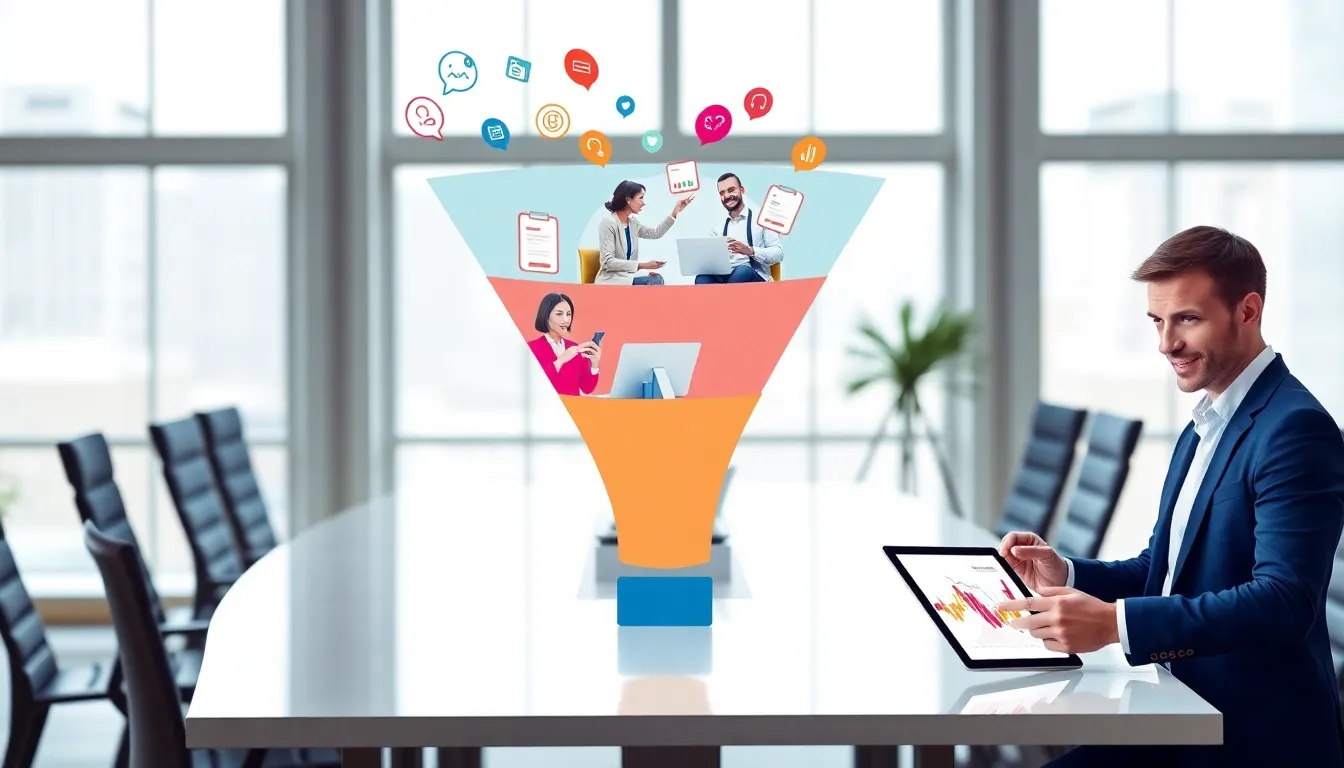
The SaaS sales funnel is a strategic model that outlines the customer journey, from the first interaction with a potential lead to the final purchase. Think of it like a funnel in the kitchen, wide at the top and narrow at the bottom, filtering potential customers down through various stages until they become loyal subscribers. This sales funnel is essential for any SaaS company, and it involves several key concepts, including awareness, consideration, and decision-making. Each step of the funnel plays a vital role in converting leads into customers. By understanding the funnel, companies can optimize their sales strategies and provide valuable content tailored to each stage, eventually driving conversions and growth.
Stages of the SaaS Sales Funnel
The SaaS sales funnel consists of three distinct stages that guide prospects through their journey. Let’s break each one down:
1. Awareness
At this stage, potential customers discover your SaaS product. They might come across it through search engines, social media, or word of mouth. The key here is to attract attention. Content marketing, SEO, and social media ads can be invaluable tools to ensure your product shines amongst the competition.
2. Consideration
Now that leads are aware of the product, they enter the consideration phase. This is where potential customers evaluate different options, digging deeper into your features, pricing, and benefits. A well-crafted landing page, educational blogs, and customer testimonials can sway decision-making. This phase is critical for building trust and establishing credibility.
3. Decision
Finally, the decision stage is where the magic happens. At this point, a prospect is ready to make a purchase. Offering free trials, detailed product demos, or webinars can help tip the scales in your favor. The goal is to make the transition from consideration to actual purchase as smooth as possible.
Best Practices for Managing Each Stage
Managing each stage of the SaaS sales funnel effectively can mean the difference between a lead slipping away and converting into a user. Here are some best practices:
- Awareness: Focus on increasing brand visibility. Use SEO strategies to ensure your content is easily discoverable. Leverage social media platforms for maximum reach.
- Consideration: Tailor informative content to cater to specific pain points of your prospective customers. Use case studies and detailed comparisons to illustrate how your SaaS product stands out.
- Decision: Streamline the purchasing process. Incorporate clear calls to action, and ensure your pricing model is transparent. Provide potential customers with easy access to support and resources.
Utilizing Content Marketing Strategies
Content marketing plays a pivotal role in guiding prospects through the SaaS sales funnel. By creating engaging and informative content, businesses can draw in potential leads and nurture them through the different stages.
- Blog Posts: Regularly publish articles that address common challenges faced by your target audience. These can boost SEO and help attract organic traffic.
- E-books and Whitepapers: Offer in-depth resources that provide valuable insights to potential leads. These items can be gated, encouraging prospects to provide their email addresses, so nurturing their interest.
- Video Tutorials: Create video content that showcases how your software works. Visual demonstrations can often clarify complex software features and ease considerations.
Measuring Success: Key Metrics to Track
To ensure the effectiveness of the SaaS sales funnel, tracking key metrics is essential. Here are a few metrics to keep an eye on:
- Conversion Rate: Calculate the percentage of visitors who complete a desired action. A high conversion rate indicates effective marketing.
- Customer Acquisition Cost (CAC): Track how much it costs to acquire each new customer. Lowering CAC while maintaining or raising conversion rates is a sign of healthy growth.
- Churn Rate: Monitor the percentage of customers who stop using your product over a specific period. A low churn rate suggests satisfaction and loyalty, while a high rate indicates issues that need addressing.